
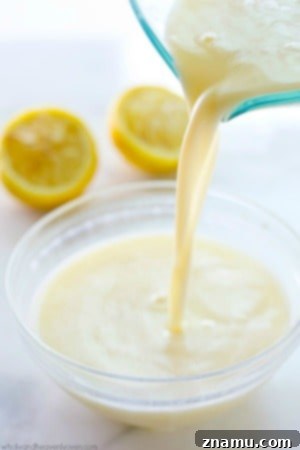
Discover how to effortlessly make your own fresh buttermilk at home with just two simple ingredients in less than ten minutes. Never run to the store for buttermilk again!
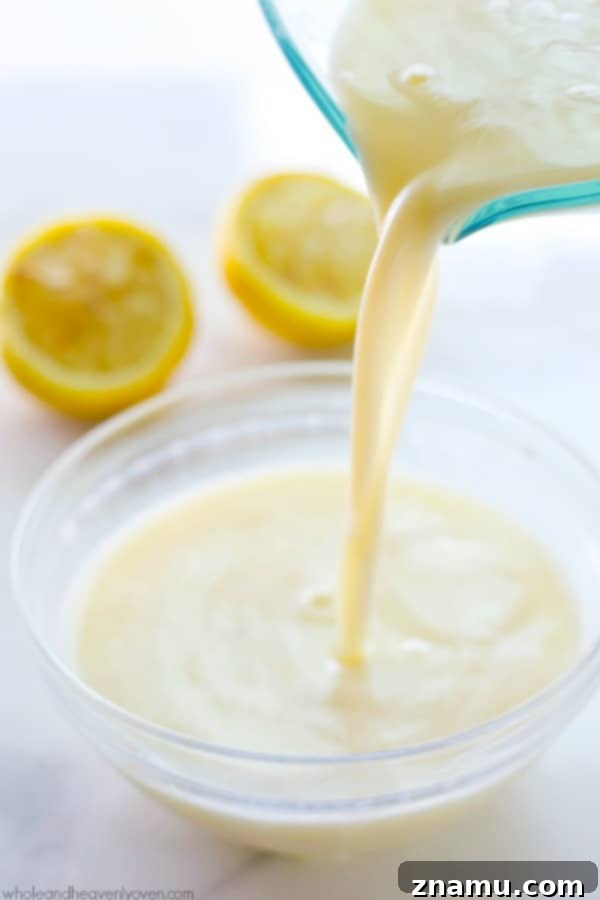
How to Make Homemade Buttermilk: Your Essential 2-Ingredient Recipe
Welcome back to our Kitchen How-To’s series, where we empower you with simple, essential culinary skills! Today, we’re tackling a baking staple that often causes a last-minute dash to the grocery store: buttermilk. But what if we told you that you could whip up a perfect substitute right in your own kitchen with minimal effort and just two common ingredients? Get ready to unlock the secret to consistently moist and flavorful baked goods.
The Indispensable Magic of Buttermilk in Baking
For many avid bakers, buttermilk isn’t just an ingredient; it’s a magic elixir. It’s a foundational component in countless recipes, from fluffy pancakes and tender biscuits to rich cakes and savory marinades. Its unique properties are responsible for:
- Unparalleled Moisture: Buttermilk’s slightly thicker consistency and natural acids contribute to exceptionally moist and tender crumbs in baked goods.
- Distinctive Tang: It imparts a subtle, tangy flavor that elevates the overall taste profile, balancing sweetness and adding complexity. This tang is a hallmark of classic Southern recipes.
- Optimal Leavening: The acidity in buttermilk reacts with baking soda, creating carbon dioxide bubbles that help batters and doughs rise, resulting in lighter, airier textures. This chemical reaction is crucial for many quick bread recipes.
- Improved Texture: Beyond moisture and rise, buttermilk helps break down gluten, leading to a softer, more delicate texture in everything from muffins to fried chicken coatings.
While regular milk can be used in some recipes, it simply cannot replicate the distinct texture and flavor that buttermilk brings to the table. For superior results, buttermilk is almost always the preferred choice in recipes that call for it.
Why Store-Bought Buttermilk Isn’t Always the Answer
Despite its wonders, buttermilk often poses a practical challenge. It’s not an ingredient many people keep stocked in their refrigerator regularly, and recipes frequently call for only a small amount, leaving you with a half-used carton that might go to waste. Running to the store for a single ingredient can be inconvenient and time-consuming, especially when you’re in the middle of a baking project.
That’s where the beauty of homemade buttermilk comes in. It’s a simple, reliable solution that ensures you’re never caught off guard. By mastering this quick hack, you’ll save time, reduce food waste, and always have the secret ingredient for perfect baking on hand.
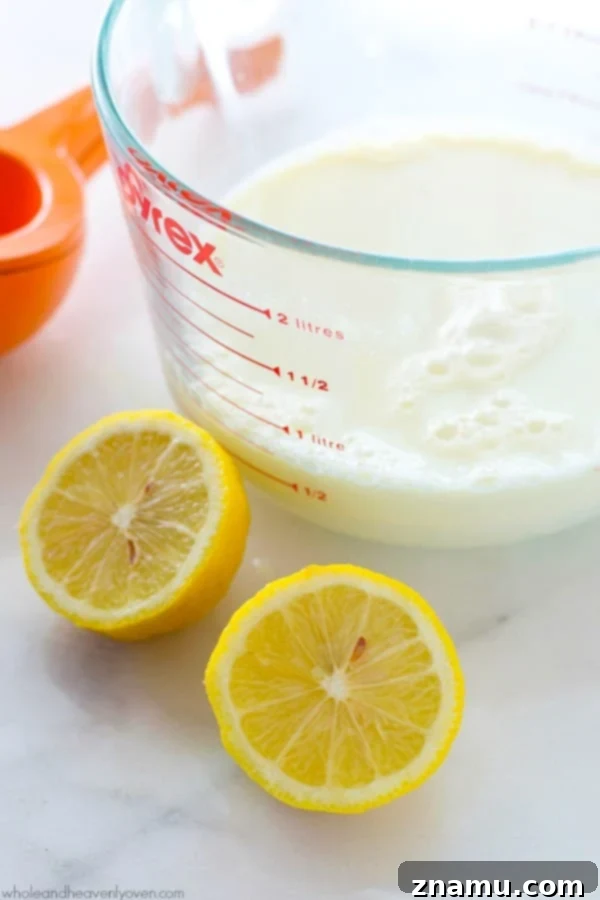
Homemade Buttermilk: The Simple 2-Ingredient Recipe
Making your own buttermilk is incredibly easy and requires minimal fuss. All you need are two pantry staples:
- Milk: Any type of milk can be used, though whole milk will yield a richer buttermilk. Skim, 1%, 2%, or even non-dairy alternatives like almond or soy milk can work effectively.
- Acid: Lemon juice is the classic choice, but white vinegar is an equally effective and common substitute. For every cup of milk, you’ll need one tablespoon of acid.
Ingredients for 1 Cup of Homemade Buttermilk:
- 1 cup milk (skim, 2 percent, or whole milk all work well)
- 1 tablespoon lemon juice (or white vinegar)
Step-by-Step Instructions:
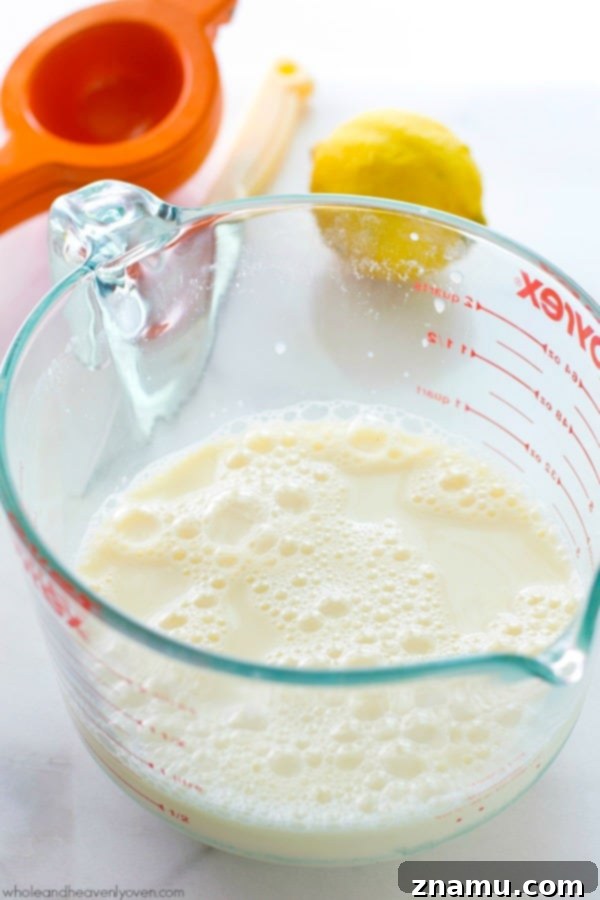
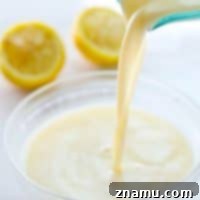
- Combine: Pour 1 cup of milk into a small bowl or a liquid measuring cup. Add 1 tablespoon of lemon juice or white vinegar to the milk.
- Stir: Gently stir the mixture to combine the milk and acid thoroughly.
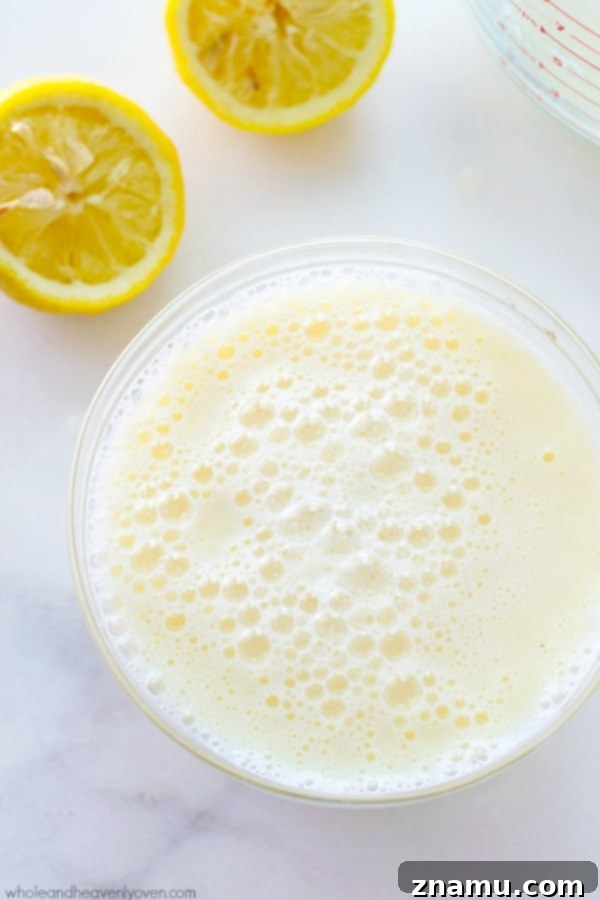
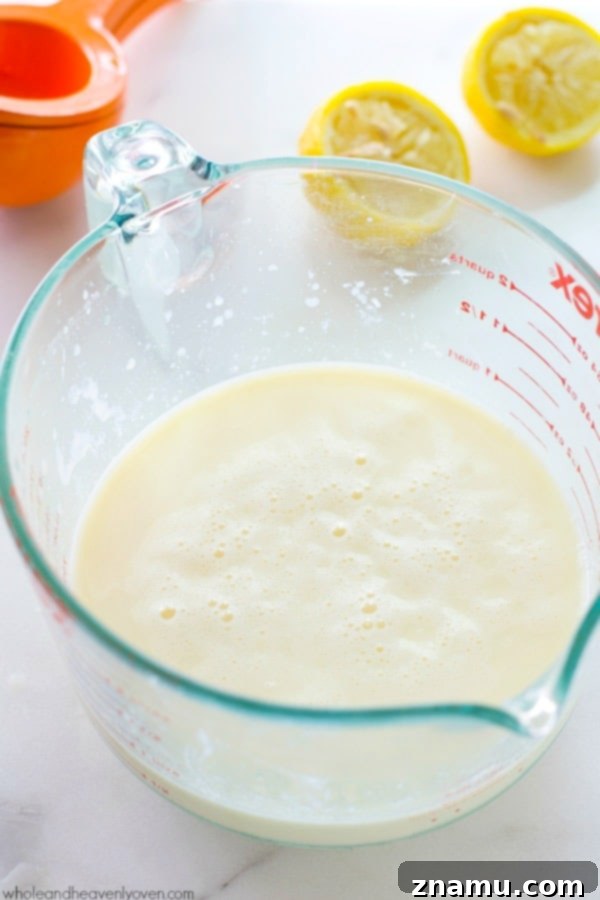
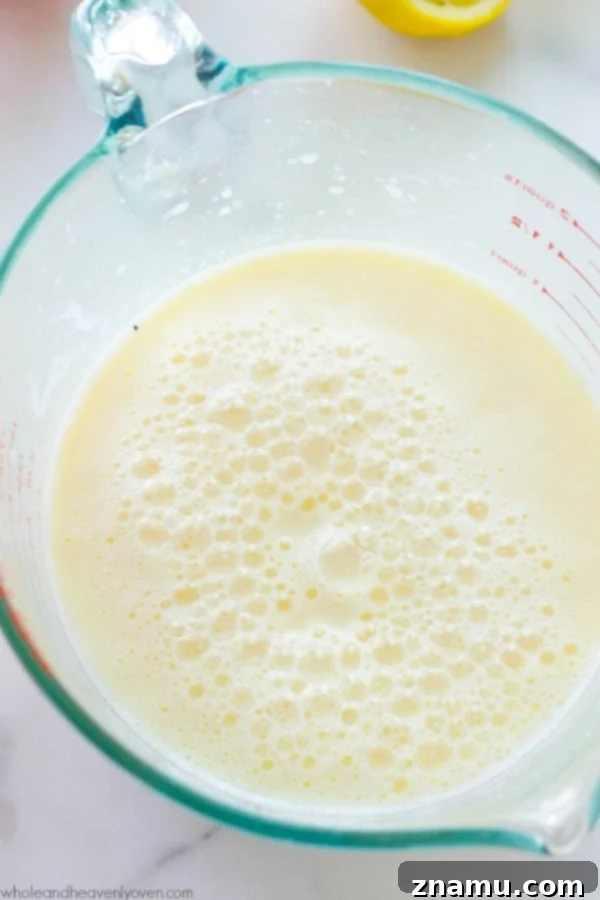
- Rest: Let the mixture stand at room temperature for 5 to 10 minutes. During this time, the acid will react with the milk proteins, causing it to thicken slightly and develop small curds. This “curdling” process is exactly what you want to see!
- Observe: The milk will look slightly lumpy and have a tangy aroma, much like store-bought buttermilk. It’s now ready to be used in your recipe.
Note on Temperature: While cold milk will work, using milk that’s closer to room temperature can help the curdling process happen a bit faster and more effectively.
Tips for Making and Using Your DIY Buttermilk
- Consistency Check: Don’t expect your homemade buttermilk to be as thick as some store-bought varieties. It will be slightly thickened and have visible small curds. This is perfectly normal and functional.
- Storage: Store any unused homemade buttermilk in an airtight container in the refrigerator for up to one week, just like store-bought buttermilk. Always check for freshness before use.
- Non-Dairy Options: For a dairy-free buttermilk, use plant-based milk (soy, almond, oat) with lemon juice or apple cider vinegar. The curdling may be less pronounced, but the acidity will still provide the necessary properties for baking.
- Beyond Lemon and Vinegar: If you don’t have lemon juice or white vinegar, you can also use 1 tablespoon of cream of tartar per cup of milk. Simply whisk the cream of tartar into the milk.
Beyond the Basics: What Can You Make with Buttermilk?
Once you realize how easy it is to make, you’ll find countless ways to incorporate this “liquid gold” into your cooking. Buttermilk isn’t just for sweet treats; it’s a game-changer in savory dishes too! Here are just a few of our favorite ways to use buttermilk:
- Fluffiest-Ever Buttermilk Pancakes: The acidity helps create incredibly light and airy pancakes. Explore more pancake recipes here!
- Tender Biscuits: Buttermilk is essential for classic, flaky biscuits. Try these flaky buttermilk biscuits and these herbed Greek yogurt buttermilk biscuits for a delightful twist.
- Perfect Scrambled Eggs: A splash of buttermilk can make your scrambled eggs unbelievably creamy and light. It’s truly a secret ingredient for perfectly scrambled eggs!
- Quick Breads: Enhance the moisture and flavor of various quick breads, such as glazed lemon poppyseed bread. Check out our other quick bread recipes for inspiration.
- Creamy Mashed Potatoes: Achieve extra creamy, tangy mashed potatoes with a touch of buttermilk. It adds a depth of flavor that can’t be beaten!
- Family-Favorite Cornbread: Buttermilk is a staple in traditional cornbread, ensuring a tender crumb and rich flavor. Learn how to make our family-favorite cornbread recipe.
- Bakery-Style Muffins: From blueberry almond crumble muffins to chocolate chip, buttermilk contributes to a superior texture and rise.
- Fried Chicken Marinade: Buttermilk marinades tenderize chicken beautifully while imparting a subtle tang that deepens flavor when fried.
- Dressings and Dips: Add a creamy, tangy base to homemade salad dressings, ranch dips, and other savory sauces.
The versatility of buttermilk is truly astonishing, transforming ordinary dishes into extraordinary culinary experiences through its unique contribution to both flavor and texture.
Buttermilk FAQs
Q: Is homemade buttermilk exactly the same as store-bought buttermilk?
A: Homemade buttermilk acts as a very effective substitute for cultured buttermilk (the kind you buy in stores). While store-bought buttermilk is typically made by adding a bacterial culture to milk, causing it to ferment and thicken, homemade buttermilk achieves a similar tang and curdling effect through the addition of acid. For most baking and cooking applications, the results are virtually indistinguishable.
Q: Can I use expired milk to make buttermilk?
A: It’s best to use fresh milk that hasn’t expired. While the process involves “curdling,” you’re intentionally souring the milk with a controlled acid, not trying to salvage milk that has already gone bad. Using fresh milk ensures the best flavor and safety.
Q: What if my homemade buttermilk doesn’t curdle much?
A: The extent of curdling can vary depending on the fat content of your milk and the type of acid used. Even if you don’t see large curds, the acid has still reacted with the milk proteins, and it will function correctly in your recipe. Just ensure you’ve waited the full 5-10 minutes.
Q: Can I substitute other acids for lemon juice or white vinegar?
A: Yes, apple cider vinegar can also be used as a substitute for lemon juice or white vinegar, maintaining the same 1 tablespoon per 1 cup of milk ratio. Some recipes also suggest cream of tartar (1 teaspoon per cup of milk, whisked in) as another option.
Q: Why is buttermilk important for activating baking soda?
A: Baking soda (sodium bicarbonate) is an alkaline ingredient. To produce carbon dioxide gas and create leavening, it needs an acid to react with. Buttermilk provides this acid. Without it, baking soda alone might not activate properly, leading to dense baked goods. This acid-base reaction is what gives many buttermilk recipes their signature light and airy texture.
Conclusion: Embrace the Ease of Homemade Buttermilk
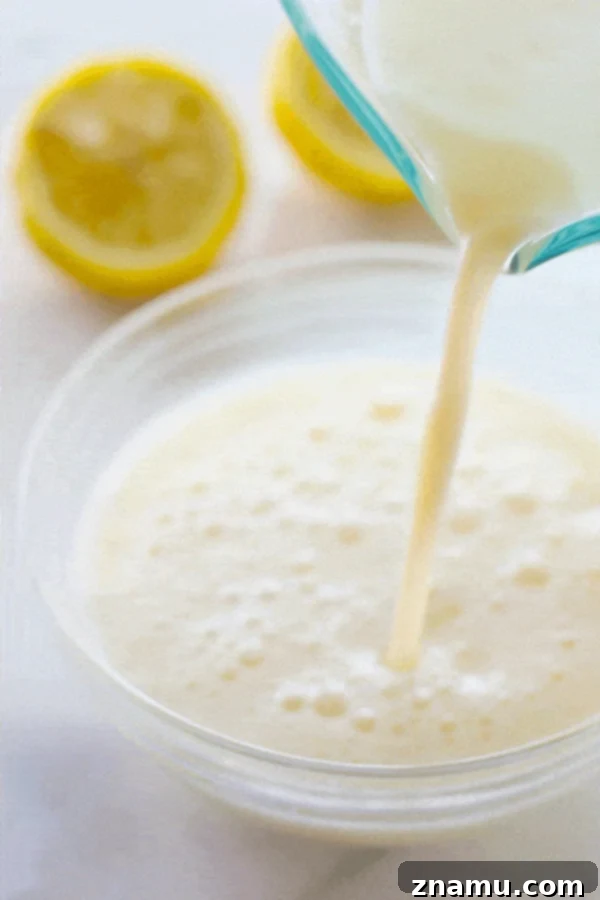
Gone are the days of panic when a recipe calls for buttermilk and your fridge is empty. With this simple, two-ingredient method, you’re always just minutes away from fresh, tangy buttermilk, ready to transform your baking projects. It’s a fundamental kitchen skill that saves time, reduces waste, and guarantees consistently delicious results. So go ahead, experiment with this easy hack, and savor the superior moisture and flavor that homemade buttermilk brings to every dish. Happy baking!
Print Recipe
Pin Recipe
How To Make Homemade Buttermilk (with just 2 ingredients!)
This recipe may included paid links. As an Amazon Associate, I earn a commission from qualifying purchases.
Ingredients
- 1 cup milk (I used skim, but 2 percent or whole milk would work too)
- 1 tablespoon lemon juice*
Instructions
- Place milk in a small bowl and pour lemon juice over top. Allow milk to stand 5 minutes or until milk is somewhat “curdled” and slightly thick. Store in refrigerator up to 1 week.
Notes
NOTE: White vinegar may be used instead of lemon juice.
Tried this recipe?
Leave a comment and rating below. Feel free to share a picture on Instagram and tag @wholeandheavenlyoven or hashtag it #wholeandheavenlyoven
See more recipes using buttermilk here!