


Embrace Whole Grains: 6 Delicious & Easy Ways to Boost Your Health
Hello there! I’m so glad you’ve stopped by. Today, we’re diving into a topic that many of you frequently ask about: incorporating more heart-healthy whole grains into your daily diet. As someone passionate about nutritious and delicious eating, I often receive questions about my choice of whole-grain ingredients and how I make them a regular part of my meals. So, I thought, why not gather all my secrets, tips, and favorite recipes into one comprehensive post? Consider this your ultimate guide to making whole grains an effortless and enjoyable part of your everyday life!
Whole grains are a powerhouse of nutrition, offering essential fiber, vitamins, minerals, and antioxidants that are vital for overall well-being. They play a crucial role in maintaining heart health, regulating blood sugar levels, and aiding digestion. Unfortunately, many people find it challenging to integrate them beyond the occasional bowl of oatmeal or brown rice. But trust me, it’s much simpler—and tastier—than you might think. This guide is designed to empower you with practical, straightforward methods to swap refined grains for their wholesome counterparts without sacrificing flavor or enjoyment. Get ready to transform your meals and discover a world of delicious, nutritious possibilities!
Disclaimer: Please note that I am not a registered dietitian or a professional in the field of nutrition. This post solely reflects my personal opinions, experiences, and preferred methods for incorporating more healthy grains into an everyday diet. Always consult with a healthcare professional or nutritionist for personalized dietary advice.
I’m always on the lookout for new and exciting ways to enjoy whole grains, so please feel free to share your favorite methods and recipes in the comments section below. Your insights could inspire others, and I’d love to learn from your experiences too! Let’s get started on this flavorful journey to better health.
1. Elevate Your Baking: Choose Whole Wheat or White Whole Wheat Flour
One of the most impactful changes you can make to your diet is a simple flour swap. Instead of reaching for all-purpose flour, opt for whole wheat or white whole wheat flour. While I’ve always appreciated whole wheat flour, I must confess that since discovering white whole wheat flour, it has become my go-to for many recipes. But what exactly is the difference between these two nutritious options?
Traditional whole wheat flour is milled from red wheat berries, which gives it a more robust, rustic flavor and a slightly denser texture. This characteristic makes it ideal for hearty breads, rustic loaves, and certain savory baked goods where a distinct grain flavor is desired. However, for recipes that call for a finer, softer crumb—think delicate cakes, airy cookies, or tender sandwich breads—white whole wheat flour is an absolute game-changer. It’s produced from white wheat berries, resulting in a lighter color and a milder flavor that closely resembles all-purpose flour, yet it retains all the nutritional benefits of a whole grain. This makes it an incredibly versatile substitute, allowing you to seamlessly integrate whole grains into nearly any baking recipe without altering the taste or texture dramatically.
When making the switch, start by substituting 50% of the all-purpose flour with whole wheat or white whole wheat flour in your favorite recipes. As your palate adjusts and you become more comfortable with the consistency, you can gradually increase the proportion to 100%. You’ll be amazed at how easily you can enhance the nutritional profile of your baked goods without compromising on deliciousness. This simple swap significantly increases your intake of fiber, protein, and essential nutrients, contributing to better digestive health and sustained energy levels.
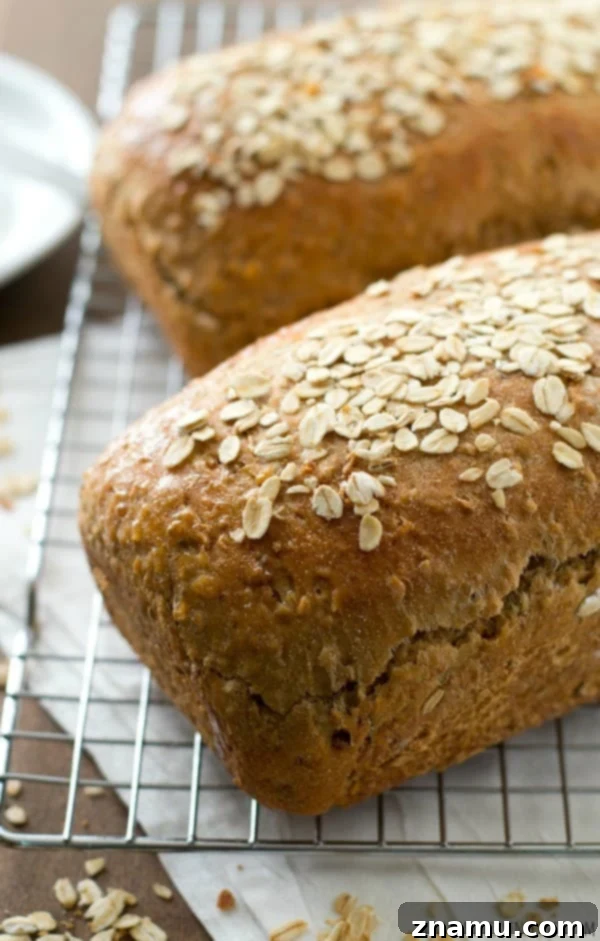
Here are a few of my absolute favorite recipes where these flours shine, proving that healthy baking can be incredibly indulgent:
- Birthday Chocolate Sheet Cake: Who knew whole grains could make chocolate cake even better?
- Flakiest Buttermilk Biscuits: Achieve that tender, flaky texture with a wholesome twist.
- Homemade Multi-Grain Sandwich Bread: A wholesome loaf that’s miles better than anything store-bought.
- Fluffiest-Ever Buttermilk Pancakes: Start your day with these light and fluffy, yet nutritious pancakes.
2. Harness the Power of Oats: A Versatile Superfood
The hype you hear about oats being incredibly beneficial for your health is absolutely true – they’re not just rumors! Oats are a nutritional powerhouse, packed with soluble fiber, particularly beta-glucans, which are known for their ability to lower cholesterol, improve blood sugar control, and promote a healthy gut microbiome. Beyond their impressive health benefits, oats are incredibly filling, keeping you satisfied and energized for longer periods. The best part? There’s an astonishing variety of ways to incorporate them into your everyday diet, far beyond a simple bowl of hot oatmeal.

From breakfast to dessert, oats can be a stealthy (or starring!) ingredient. Here are some of my favorite creative applications:
- Smoothie Booster: Toss a handful of rolled oats into your morning smoothie. They add a creamy texture, an extra layer of fiber, and help keep you full until lunch. For real!
- Pancake Perfection: Enhance your breakfast routine by adding oats to your pancakes. They lend a delightful rustic texture and an extra dose of nutrition. And yes, a few chocolate chips are always a good idea to balance everything out. 😉
- Steel-Cut Oats Mastery: For a hearty and satisfying start to your day, steel-cut oats are incomparable. They have a chewier texture and nutty flavor. I pretty much swear by this recipe for perfectly cooked steel-cut oatmeal every time.
- Irresistible Cookies: Oats add wonderful chewiness and depth of flavor to cookies. My oatmeal raisin cookies are proof that wholesome can be absolutely delicious. Because, um, just YES!
- Homemade or Store-Bought Granola: Granola is a fantastic way to enjoy oats as a quick breakfast or snack. While homemade is always a treat, store-bought options can be excellent too, provided they have clean ingredients. I highly recommend KIND granola as a store-bought choice, mainly because their ingredient lists are impressively clean, and they offer a million-and-one delicious flavors. It’s perfect for a speedy breakfast or a much-needed pick-me-up snack.
If you’re feeling adventurous and have a little extra time on your hands, you absolutely must try this homemade granola. It’s seriously the best. thing. ever. The clusters are incredible, and the flavor is unmatched.
P.S. Have you ever considered granola in the form of breakfast cookies? You NEED to try them – they’re a game-changer for busy mornings. Oh, and these caramelized apple granola parfaits and this pumpkin granola chocolate chip coffee cake too. YESSS, they are all fantastic ways to enjoy oats!
3. Smart Swaps in Your Starchy Staples: Brown Rice & Quinoa
When it comes to your grains on the plate, making a simple swap from short-grain white rice to brown rice or quinoa can significantly boost your meal’s nutritional value. Call me biased, but I genuinely prefer brown rice and quinoa over white rice. I’ve noticed a distinct difference in how I feel after eating them; they not only taste richer and more satisfying, but they also keep me feeling full and energized for much longer. This sustained satiety helps prevent those mid-day energy crashes and cravings, making them excellent choices for weight management and overall vitality.
Brown rice, unlike white rice, retains its bran and germ layers, which are packed with fiber, B vitamins, magnesium, and selenium. This means you’re getting a more complex carbohydrate that provides a steady release of energy, rather than the rapid spike and crash associated with refined white rice. Quinoa, on the other hand, is often hailed as a “supergrain” – and for good reason! It’s one of the few plant-based foods that is a complete protein, meaning it contains all nine essential amino acids. It’s also gluten-free and rich in iron, lysine, magnesium, manganese, and riboflavin. Both brown rice and quinoa are incredibly versatile and can be used in a myriad of dishes, from side dishes to main courses.
To cook brown rice perfectly, aim for a 1:2 ratio of rice to water, and be prepared for a slightly longer cooking time than white rice. Quinoa cooks relatively quickly, typically in about 15-20 minutes, with a 1:2 ratio of quinoa to water. Rinsing quinoa before cooking is also a good practice to remove any bitter saponin coating. Once mastered, these grains will become indispensable in your kitchen.
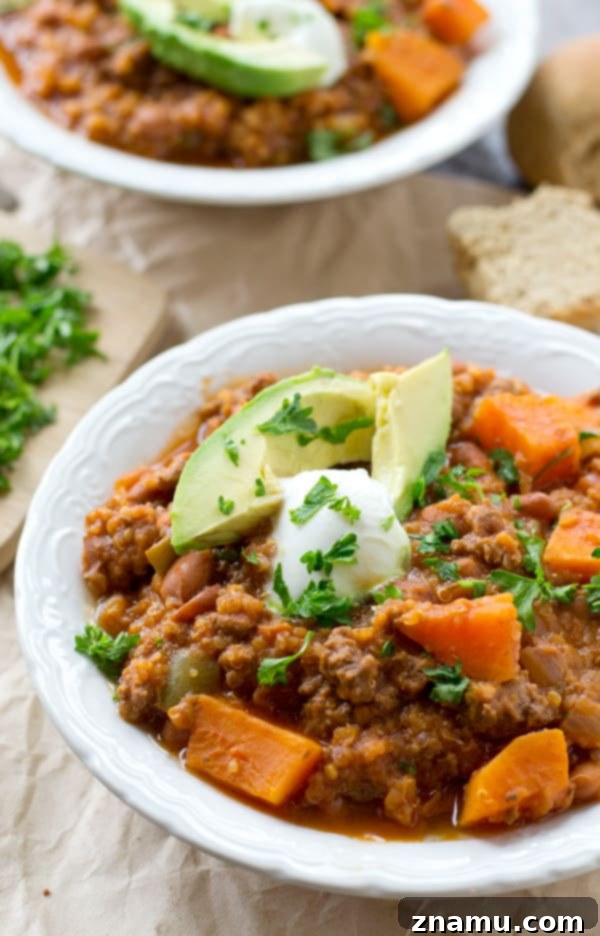
Here are several of my favorite recipes that highlight the incredible flavors and textures of brown rice and quinoa. P.S. The chili is my absolute favorite, especially on a chilly evening!
- Mexican Chicken Fajita Rice Bowls: A flavorful and satisfying meal with a wholesome base.
- Sweet Potato Quinoa Chili: This hearty chili is packed with nutrients and incredibly comforting.
- Harvest Wild Rice Salad: A vibrant salad perfect for autumn, showcasing the nutty flavors of these grains.
4. Pasta Power-Up: Discover the Delight of Whole Wheat Pasta
For many years, the idea of whole wheat pasta was met with skepticism, often dismissed as a “bummer” alternative to its white counterpart. People imagined a gummy texture and an unappealing flavor. However, I’m here to tell you that this perception is largely outdated! The pasta industry has made incredible strides, and there are now literally so many fantastic pasta companies out there producing amazing whole wheat pastas that, in my honest opinion, often taste even better than traditional white pasta!
Modern whole wheat pasta brands have perfected the art of creating pasta that boasts a pleasant chew, holds sauces beautifully, and has a richer, nuttier flavor profile that can truly elevate your dishes. It’s no longer just a compromise; it’s a delicious upgrade. Nutritionally, whole wheat pasta offers significantly more fiber, protein, and micronutrients like iron and magnesium compared to white pasta. This means it provides sustained energy, helps with satiety, and contributes to better digestive health.
My number one favorite brand, which I enthusiastically recommend, is Bella Terra Organic. Their whole wheat pasta rocks! It has an excellent texture and flavor that will convert even the most skeptical pasta lovers. Don’t be afraid to experiment with different brands to find your own favorite, as textures can vary slightly. You’ll likely discover that whole wheat pasta pairs wonderfully with robust sauces and savory ingredients, adding a layer of depth that white pasta simply can’t match.
Here are some of my go-to pasta recipes that just so happen to use whole wheat pasta. The best part? You would truly never know they’re made with whole grains!
- Healthy Cauliflower Mac ‘n’ Cheese: A creamy, cheesy classic made wholesome.
- Italian Wedding Soup: This super-popular recipe is even more nourishing with whole wheat pasta.
- 20-Minute Spaghetti Carbonara: A quick and flavorful weeknight meal, made healthier.
- Skillet Cheesy Beef Ziti: Another super-popular dish that proves healthy can be hearty and indulgent.
5. Re-evaluate Corn: A Wholesome & Versatile Whole Grain
Often overlooked or unfairly categorized, corn is much healthier than you might initially think. It truly is a wonderful whole grain that offers a surprising array of nutritional benefits. Corn is rich in good-for-you calories, meaning it provides sustained energy. It’s notably high in dietary fiber, which is crucial for digestive health, helps regulate blood sugar, and contributes to feelings of fullness. Beyond that, corn is loaded with an impressive spectrum of vitamins, including B vitamins (thiamine, niacin, folate), and essential minerals like magnesium, phosphorus, and zinc. It also contains valuable antioxidants, such as lutein and zeaxanthin, which are important for eye health.
This means you can shed any guilt about that extra-large bowl of weekend popcorn! In fact, popcorn, when prepared simply with minimal oil and seasoning, is a fantastic whole-grain snack. But corn’s versatility extends far beyond movie night. You can sneak it into so many dishes, boosting both flavor and nutritional content without much effort. Whether fresh, frozen, or canned, corn adds a delightful sweetness and satisfying crunch to meals, making it a family-friendly ingredient that’s easy to love.

Here are some of my absolute favorite ways to enjoy all the goodness that corn has to offer:
- Comforting Cornbread: This cornbread is simply drool-worthy. Perfect as a side for chili or soup, it’s hearty and satisfying.
- Spicy Kicked-Up Cornbread: For those who love a bit of a kick, this jalapeno cheddar cornbread will make you squeal with delight!
- Indulgent Chocolate-Covered Popcorn: Yes, you read that right! Chocolate-covered popcorn is a phenomenal treat, offering a delicious balance of sweet and salty. GAH, it’s good!
- Classic Grilled Corn-on-the-Cob: Is it summer yet?! Grilled corn-on-the-cob with basil butter is an undeniable seasonal favorite, showcasing corn’s natural sweetness.
6. Unlock the Magic of Wheat Bran (or Wheat Germ)
If there’s one unsung hero in the world of whole grains, it’s undoubtedly wheat bran (or its close relative, wheat germ). It really is magical! I absolutely love this stuff and often buy it in bulk to ensure I always have some on hand. Wheat bran is the outer layer of the wheat kernel, stripped away during the refining process to make white flour. But it’s precisely this outer layer that is a nutritional powerhouse, packed with insoluble fiber, which is crucial for digestive health, promoting regularity, and preventing constipation. It’s also a good source of B vitamins, iron, magnesium, and zinc.
Wheat germ, on the other hand, is the embryo of the wheat kernel and is rich in Vitamin E, folate, phosphorus, magnesium, and healthy fats. Both are incredibly nutrient-dense and remarkably versatile. You can put them in so many different things, and they offer amazing heart-healthy benefits, helping to lower cholesterol and reduce the risk of heart disease. The beauty of wheat bran and wheat germ lies in their ability to boost the nutritional value of your meals without significantly altering taste or texture, especially when incorporated subtly.
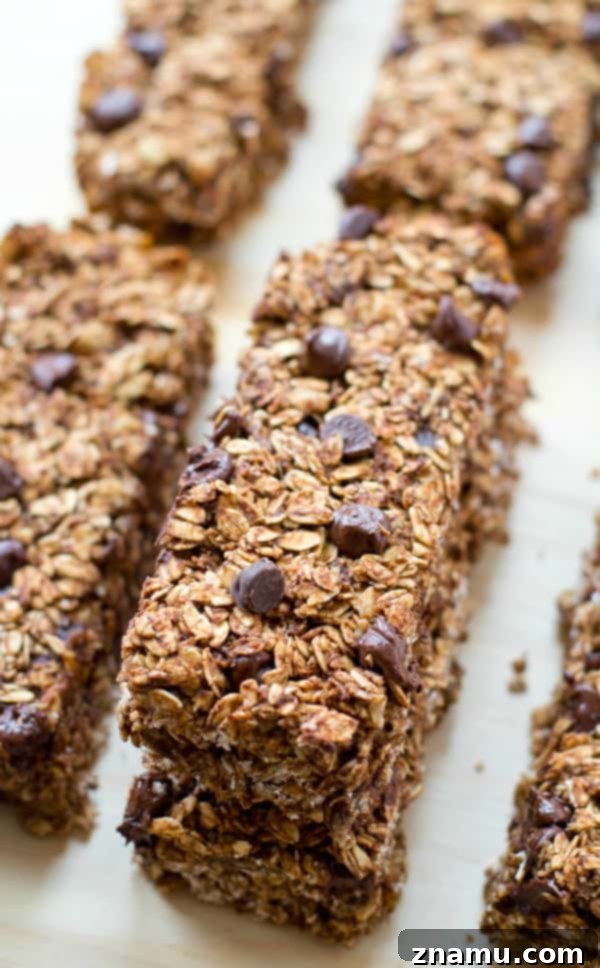
Here are a few of my personal favorite ways to incorporate wheat bran or wheat germ into my everyday cooking:
- Granola Bars: Adding wheat bran to homemade granola bars is fantastic. It imparts a really nice nutty flavor and provides a significant boost of nutrients, making your healthy snacks even healthier without you even noticing.
- Homemade Granola or Oatmeal: Easily stir in a tablespoon or two of wheat bran or germ to your batch of homemade granola or your morning bowl of oatmeal. It’s a simple, effective way to increase fiber and nutrients.
- Crispy Breaded Chicken Nuggets: When preparing breaded chicken or fish, try adding just a few tablespoons of wheat bran to your flour breading mixture. It will transform your chicken nuggets (or cutlets) into crispy, nutty heaven, adding an irresistible crunch and a nutritional boost.
- Delicious Toppings: Wheat bran is excellent for enhancing various toppings. Use it in streusels for fruit crisps, crumb toppings for muffins, or even as a binding agent in meatballs or meatloaves. Yeee-um, the possibilities are endless!
By making these simple yet effective changes, you can significantly increase your intake of whole grains and reap their immense health benefits. Start small, experiment with different recipes, and discover how delicious and satisfying a whole-grain-rich diet can be. Your taste buds and your body will thank you!
Q: Any other ingenious ways you like to incorporate whole grains into your diet? I’m all ears and would love to hear your creative ideas in the comments below! Let’s inspire each other to live healthier, happier lives!
This post was sponsored by KIND Snacks. However, all opinions expressed here are 100% my own and reflect my genuine experience and enthusiasm for these products and healthy living.